MWMatthew Wool
COMPUTER ENGINEERING · BUCKNELL UNIVERSITYPROJECT NOTEBOOK / 01

Curiosity.
Meet hardware.

I’m Matthew. I build, take things apart, and bring old technology back to life. This is a collection of what’s on my workbench.

Explore the projects
02 / RESTORATIONDocumented build
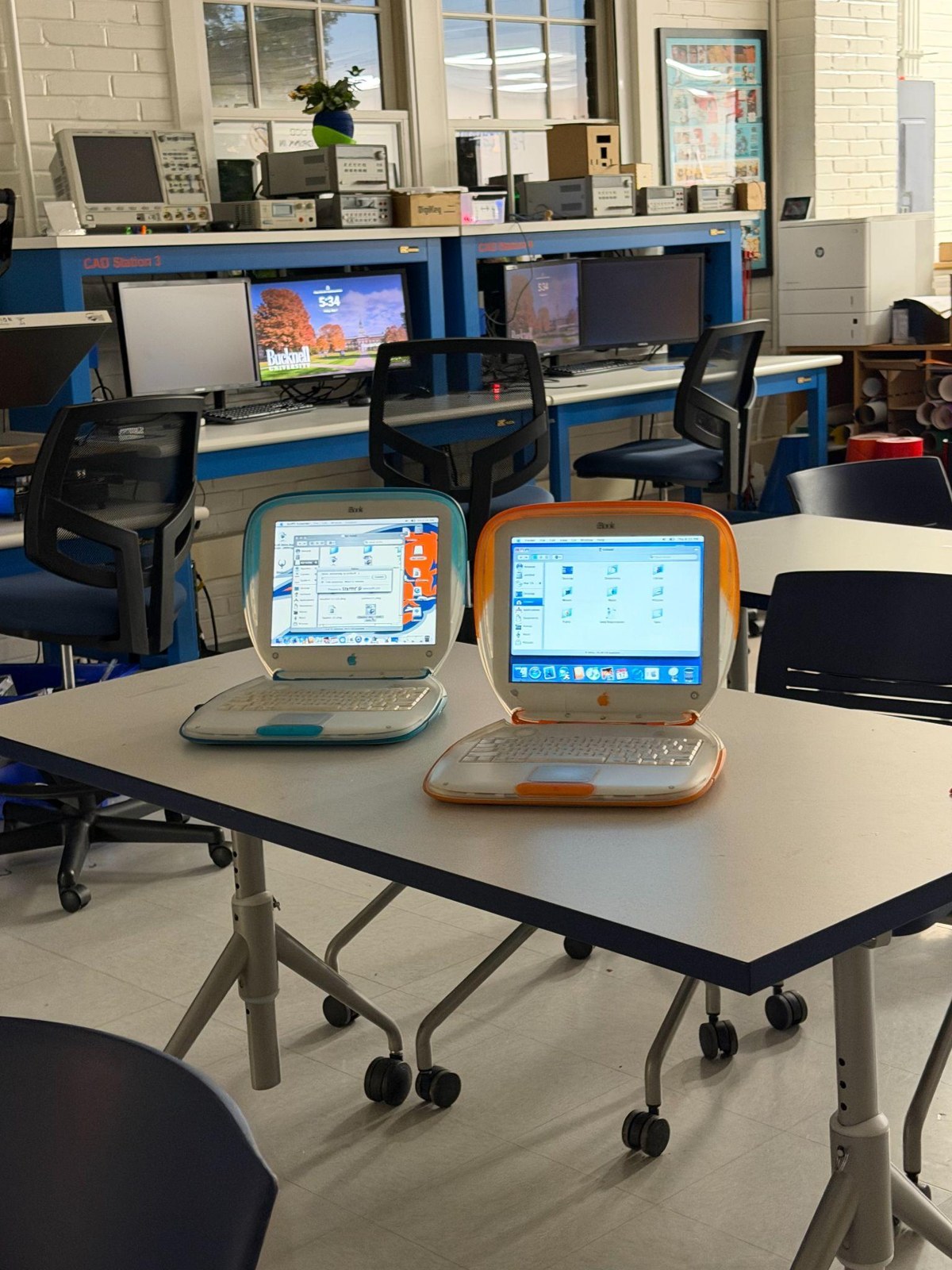
Restored blue and orange iBook G3 Clamshell laptops running on a workbench
FROM THE BUILD / RESTORED CLAMSHELLS

iBook G3 restoration & battery rebuild

Restored iBook G3 hardware through fault isolation, donor-board replacement, and storage upgrades. Rebuilt an eight-cell lithium-ion battery pack using spot-welded nickel interconnects and a replacement battery management board to restore charging functionality.

Hardware repairSpot weldingBMS troubleshooting

Takeaways & skills

Skills learned
Hardware fault isolation, multimeter diagnostics, SATA-to-IDE storage integration, spot welding, soldering, and troubleshooting a 4S2P battery pack and BMS. Stripped-fastener removal and precise Dremel work.
Beyond the technical work
A partial fix is a diagnostic clue, not the finish line. Repeated disassembly and a failed BMS taught me to stay persistent, use measurements to challenge assumptions, and keep donor parts available as a backup plan.
Open the build notes

Stripped Phillips screw heads became another obstacle during disassembly. I had to use a Dremel to cut into the damaged heads so I could remove the screws and continue the restoration. Working around stubborn fasteners reinforced the value of patience, controlled tool use, and adapting when the standard approach fails.

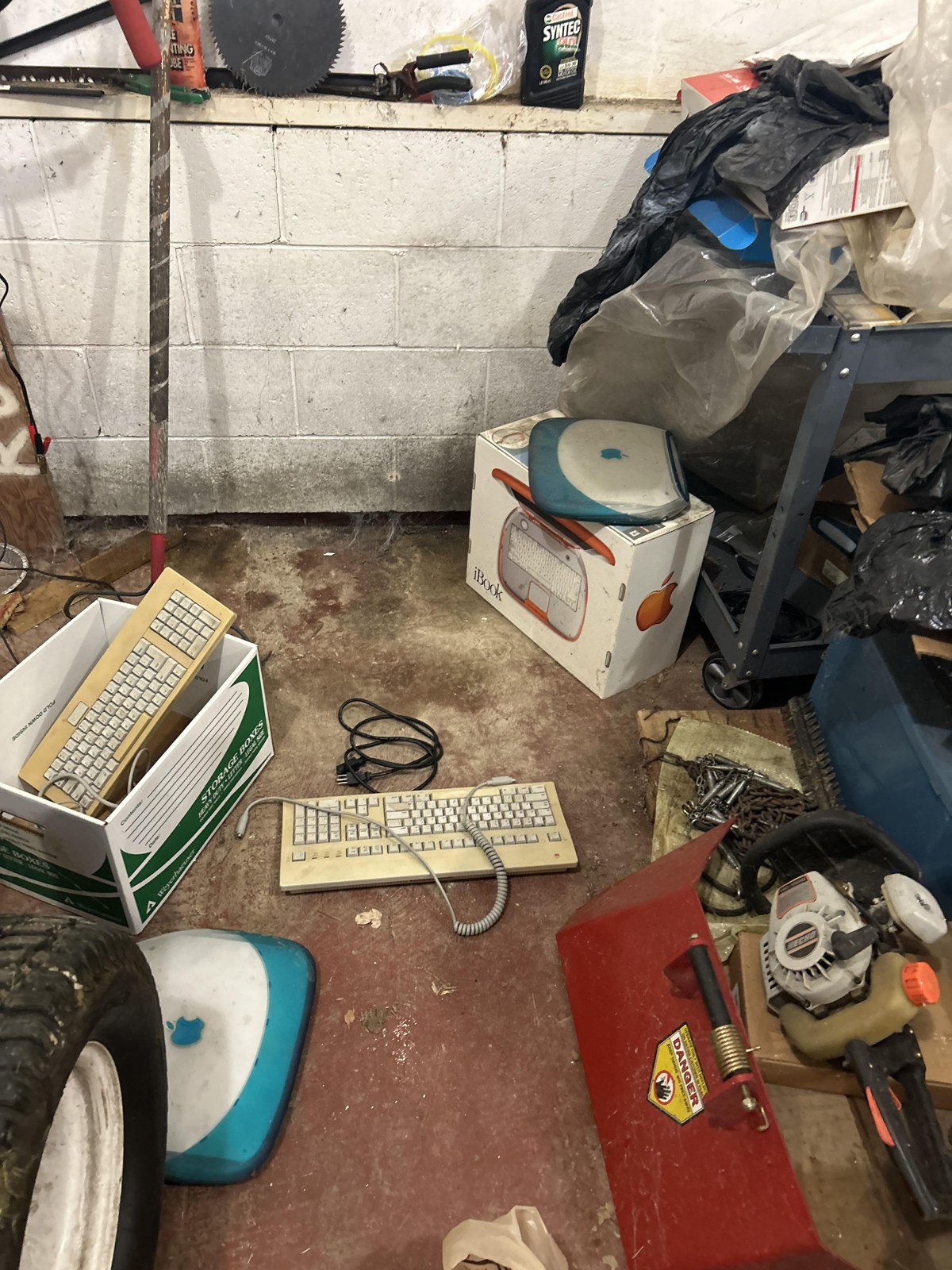
Replaced the legacy hard drive with a 64 GB M.2 SATA SSD through a SATA-to-IDE adapter and installed a 512 MB SODIMM. After a three-beep startup fault, removing the expansion memory helped isolate the failure to onboard RAM, requiring a donor logic-board swap.

Replaced a failed optical drive, prepared bootable installation media, formatted the SSD, and installed Mac OS X before upgrading to 10.3. The repair required repeated full disassembly to access the storage and logic board.

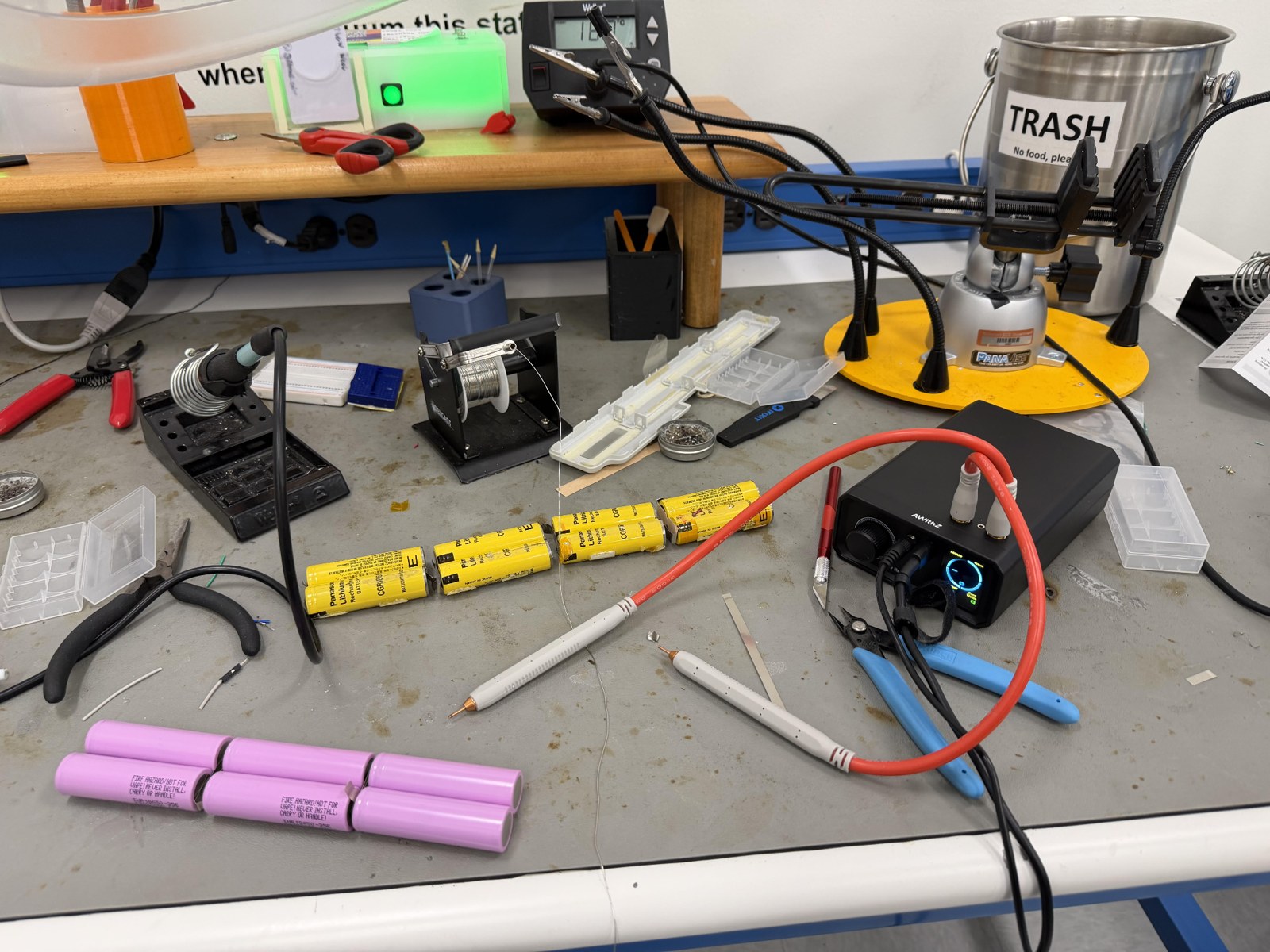
Rebuilt the battery in a 4S2P configuration using eight 18650 cells, spot-welded nickel strips, and the original enclosure. Multimeter measurements and charging behavior pointed to a fault in the first battery management system (BMS). A donor BMS used a different revision, requiring the interconnect layout and soldered connections to be reworked before charging was restored.

Supported by the Nifty Idea Fund. Thanks to Matt Lamparter and Nathaniel Saltsgiver.

Read the original project report ↗
03 / WATCH MODIFICATIONCASIO
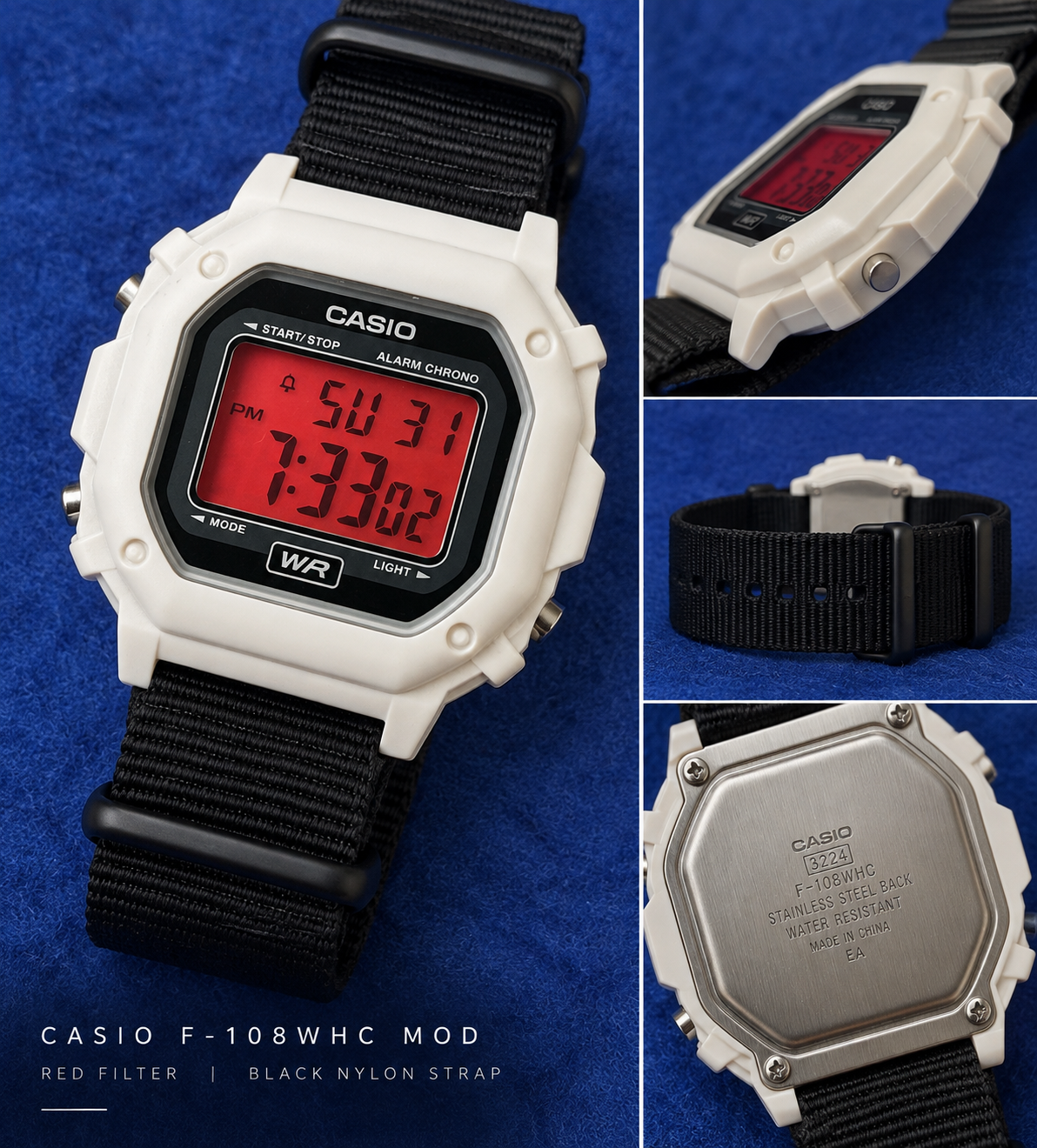
White Casio F-108WHC with a red display filter and black nylon strap, shown from four angles
CASIO F-108WHC / RED FILTER · BLACK NYLON STRAP

Casio mods

Exploring optical and mechanical modifications to Casio digital watches, with a focus on display customization, component compatibility, and case assembly. The work considers how changes affect readability, fit, and everyday usability.

Display filtersComponent fitLCD optics

Takeaways & skills

Skills developing
Researching LCD optics, comparing display contrast and readability, checking component compatibility, and planning modifications around the original watch module.
Beyond the technical work
The planning process reinforces careful research and attention to detail: visual changes need to remain practical. Comparing options before buying parts helps balance appearance, usability, and cost.
Project notes

Display-modification research focuses on contrast, light transmission, and legibility. Evaluating optical changes alongside the original LCD module helps guide customization without compromising the watch’s basic functions.

Mechanical planning focuses on component fit, case compatibility, and careful disassembly and reassembly. The goal is to customize the watch while retaining its original electronic module and practical usability.

04 / WATCH ASSEMBLYSEIKO MOVEMENTS
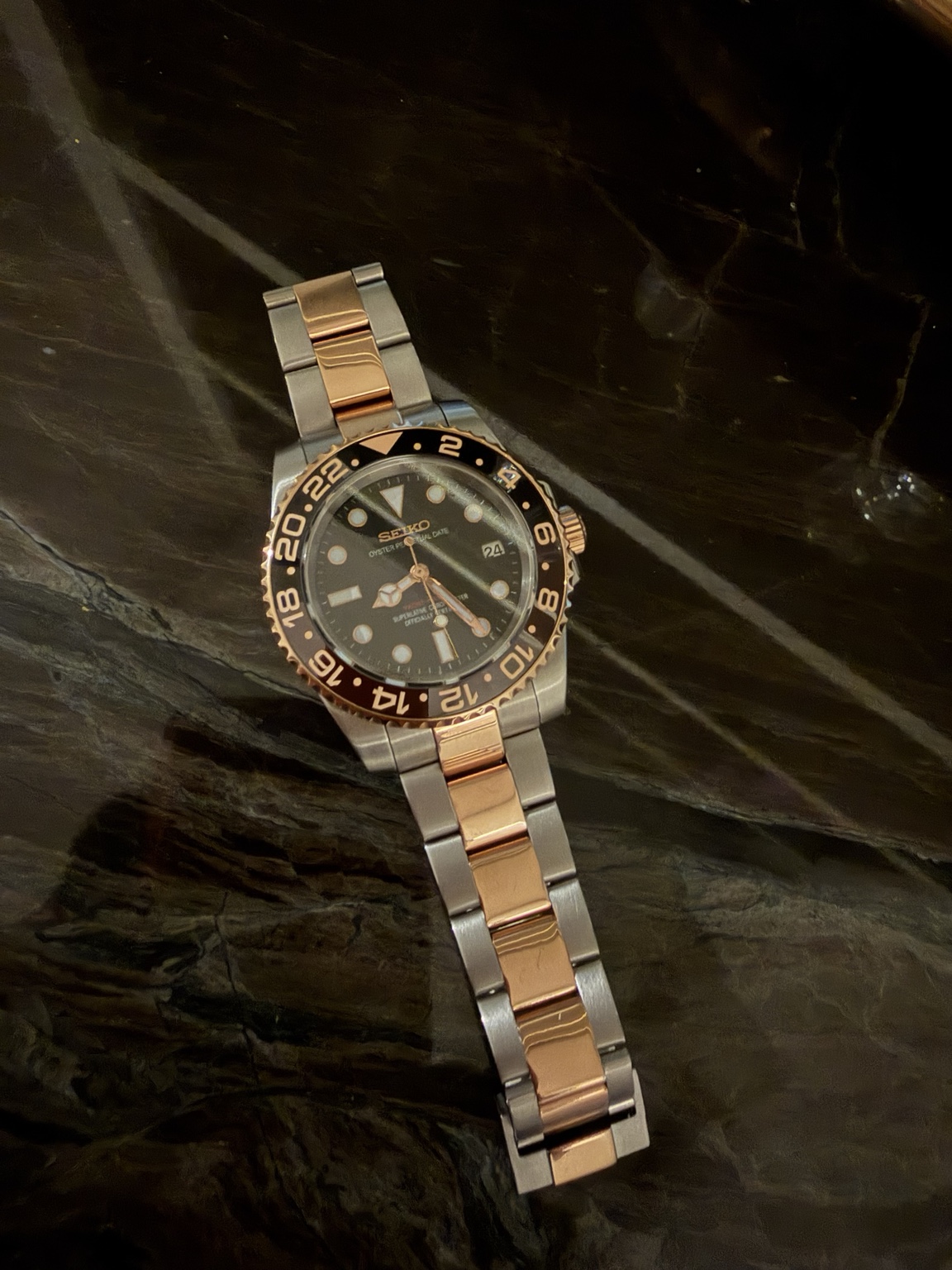
Root Beer Seiko mod with a black dial, brown-and-black bezel, and two-tone bracelet
EXAMPLE BUILD / ROOT BEER · NH35

Seiko mods & custom watch builds

Building custom mechanical watches around Seiko movements by selecting and integrating compatible cases, dials, hands, and bracelets. The work combines component matching, mechanical assembly, and visual design.

Seiko movementsComponent selectionWatchmaking

Takeaways & skills

Skills learned
Matching movements with compatible cases, dials, and hands; mechanical assembly; checking component fit and alignment; and coordinating the finished case and bracelet.
Beyond the technical work
Small alignment and fit details affect the whole assembly. Building a watch develops patience, a methodical sequence, and the discipline to check compatibility before committing to parts.
Project notes

Each build starts with the movement and a compatible set of components. Mechanical considerations include dial and handset fit, date-window alignment, and how the movement, crown, and case work together as an assembly.

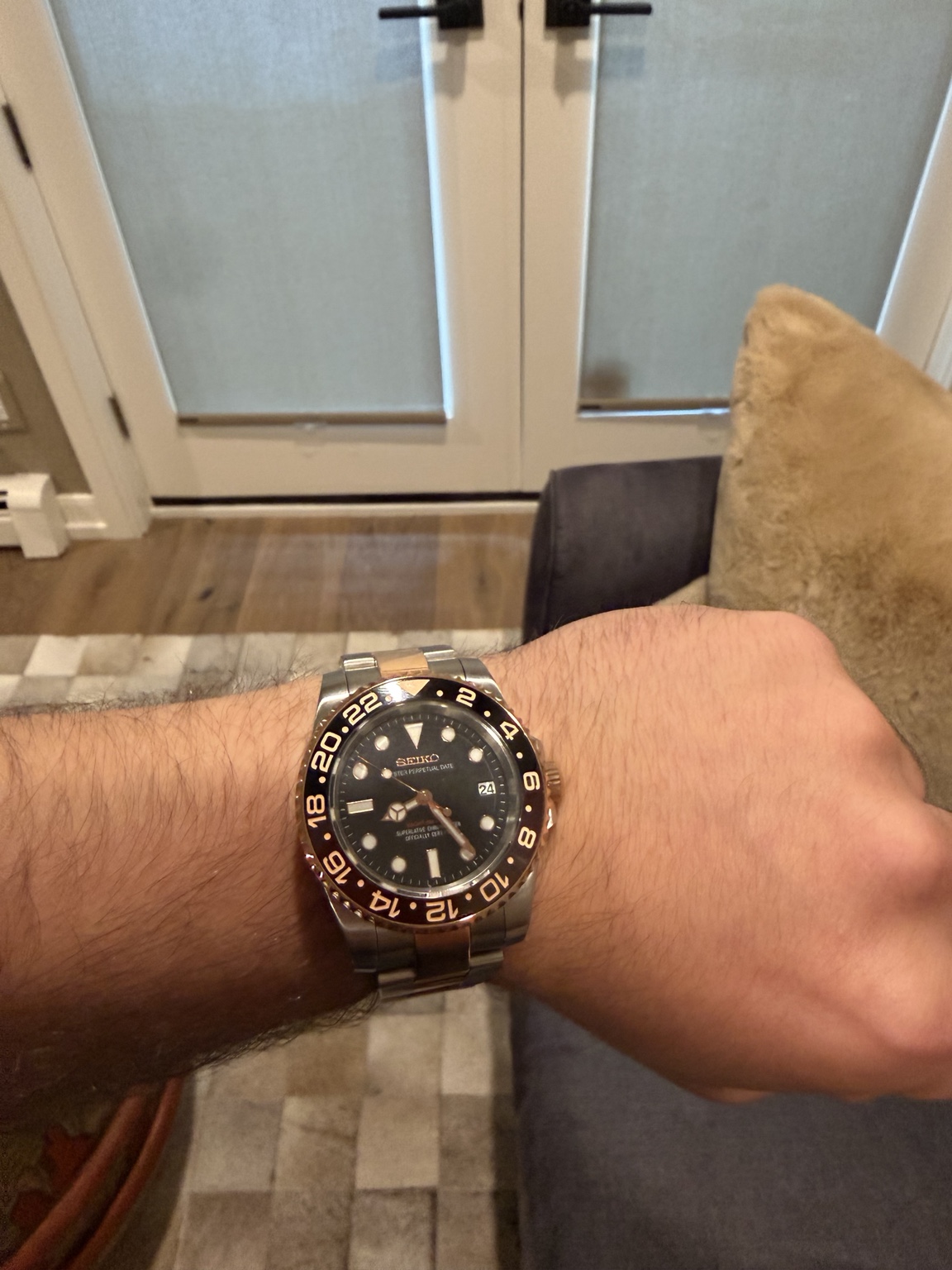
The Root Beer mod shown here is one example: an NH35 automatic build with a black dial, brown-and-black bezel, and two-tone bracelet. Its 24-hour bezel is a styling element; this build does not have a separate GMT indication.

Matthew wearing the Root Beer NH35 Seiko mod on its two-tone bracelet
ROOT BEER EXAMPLE / ON WRIST
05 / CONSOLE HARDWARENINTENDO WII
Console power.
Portable form.
POWER
PACKAGING
INTEGRATION

Portable Wii

Designing a handheld system around original Nintendo Wii hardware, with motherboard trimming, external voltage regulation, battery integration, and display/control packaging. The design explores using a Wii U GamePad shell as the enclosure.

Board trimmingPower regulationRVLoader

Takeaways & skills

Skills developing
Power-rail planning, regulator selection, motherboard-revision research, board-trimming concepts, and mechanical packaging for batteries, controls, and cooling.
Beyond the technical work
Working within a handheld enclosure makes every design choice affect the others. The project is teaching me to divide a large build into manageable subsystems, research constraints early, and revise the plan when space or electrical requirements conflict.
Project notes

Research and power-system planning cover Wii motherboard revisions, the OMGWTF trim, and regulation of the 1.0 V, 1.15 V, 3.3 V, and 5 V rails. Regulator options under consideration include PTH08080 and PTR08060 modules, alongside RVLoader for the portable software setup.

Integration work focuses on fitting the board, battery, display, controls, and cooling hardware within the handheld enclosure. The project remains in development, with electrical integration and mechanical packaging driving the design.

PLANNED / NEXYS 4 FPGA

FPGA physics simulator

A planned real-time 2D physics simulator that uses the Nexys 4 FPGA to update and display a moving object. The first milestone is a bouncing ball with position, velocity, gravity, and boundary collisions; later iterations could add adjustable parameters and multiple objects.

Digital logicHardware description languageFixed-point arithmetic

Planned implementation

Separate the design into a physics-update module, display timing and rendering, and button/switch input. Use fixed-point values for motion and verify the individual modules in simulation before integrating them on the board.

Skills to develop

Synchronous logic design, HDL simulation, numerical representation, timing constraints, and hardware debugging. The broader goal is to turn a mathematical model into small, testable hardware modules and build confidence through incremental milestones.

THE PERSON BEHIND THE PROJECTS

I learn by
getting hands-on.

I’m Matthew Wool, a computer engineering student at Bucknell University. My interests sit where electronics, design, and repair meet—from restoring retro computers to giving a small robot a personality.

I like projects that make me learn a new tool, figure out why something failed, and come back with a better approach.